

Over the years, I’ve received so many messages from readers asking how to stand out when the job market feels impossible to crack. Whether it’s college graduates trying to land that first opportunity or experienced professionals facing unexpected layoffs, one thing keeps coming up, everyone’s searching for smarter, more effective ways to get hired.
I completely understand, because I’ve been there too. When I was job hunting a few years ago, it felt like I was throwing applications into a black hole. I’d spend hours tailoring my résumé, writing carefully worded cover letters, and checking my email every five minutes, hoping for an interview. Some days, it felt like nobody was even reading my applications. If you’ve ever been in that spot, you know exactly how discouraging that can be.
But here’s the thing I eventually learned: the problem wasn’t always me, it was the strategy. I was applying harder, not smarter. Once I started approaching the job search like a project instead of a guessing game, everything changed. I learned how to use data to spot hiring trends, how to make my résumé speak the language recruiters were actually using, and how to build connections that opened real doors.
In today’s post, I’m going to share:
- insights
- the strategies
- data-driven methods
- Favorite tools and software
- And more!
These are Job Search Tips that don’t just repeat what everyone else is saying, but actually help you make smarter moves in a tight market.
Whether you’re reentering the workforce, switching careers, or simply trying to stand out from hundreds of applicants, my goal is to help you find the confidence and clarity you need to land the right opportunity. You don’t have to send out 10 applications a week to get noticed, you just need to be strategic about where and how you apply.
So grab a notebook, take a deep breath, and let’s get into how you can make your next career move with purpose and precision. These Job Search Tips aren’t about working harder, they’re about applying smarter and I will walk you through how to do exactly that.
Job Search Tips for a Tight Market: Apply Smarter, Not Harder
Here are tips you should follow to increase your chances and land the right job in today’s tough market.
Understand the Market Before You Apply
When the job market tightens, it’s easy to think success just comes down to luck or timing. But in my experience, the most successful job seekers are the ones who take time to understand how the market moves before sending out a single résumé.
When I was job hunting during one of the toughest periods for hiring, I realized something that completely shifted my approach: hiring trends aren’t random. They follow data. Once I started tracking that data, I stopped applying blindly and started targeting opportunities where companies were actually investing in growth.
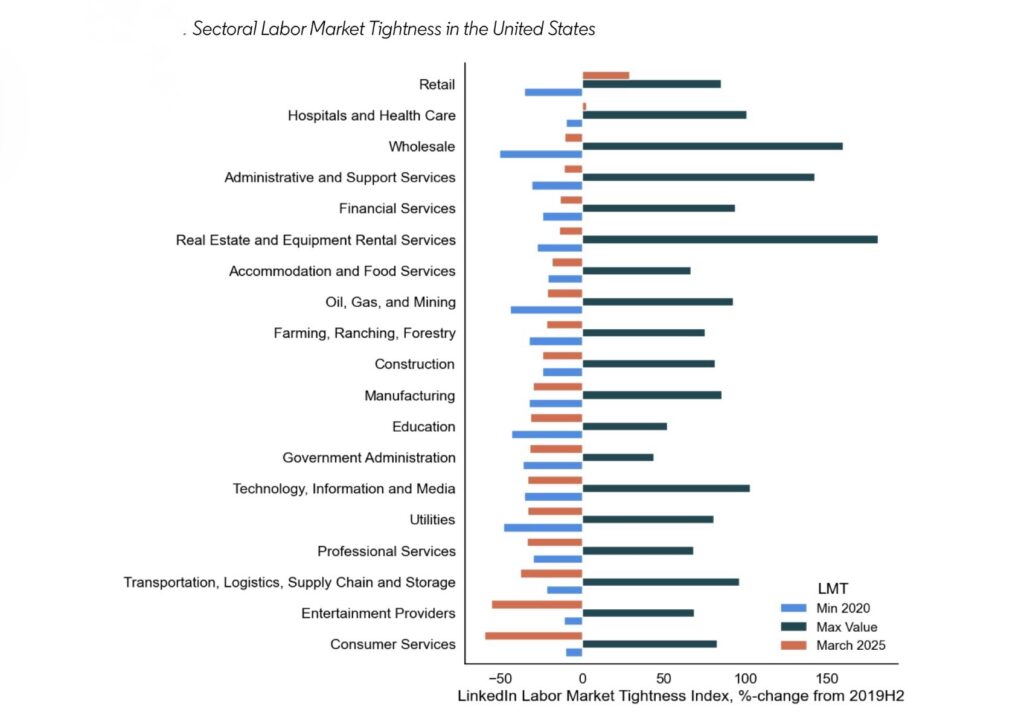
For instance, according to the U.S. Bureau of Labor Statistics, industries like healthcare, renewable energy, and tech-driven logistics are projected to see steady increases in employment even during slower economic periods. I began searching for openings in those fields, and the difference was immediate more callbacks, faster responses, and better-quality leads.
If you’re feeling stuck, start here:
• Check industry reports on where growth is happening. Use tools like the LinkedIn Economic Graph to identify which roles and industries are trending upward.
• Look at job posting patterns, sites like Indeed and Glassdoor publish regular hiring insights that reveal what employers are really seeking.
• Analyze your transferable skills and match them with markets that are still hiring actively. You might be surprised how well your background fits roles in industries you’ve never considered.
These may sound like simple Job Search Tips, but most people skip this step entirely. They focus on sending more applications rather than learning where to focus their energy. The truth is, if you understand the job market, you can move smarter and waste far less time.
When I stopped chasing “any” job and started chasing the right job, everything changed. I no longer felt powerless. I was making informed moves instead of desperate ones and that shift made all the difference.
.
Start Applying Strategically
Here’s something I wish someone had told me years ago: sending out 10 resumes a week doesn’t make you more successful. It just makes you more exhausted. When you’re applying to every job you see, you’re not being strategic, you’re being reactive. And that almost never works in a tight market.
After I burned myself out applying nonstop, I decided to slow down and rethink how I approached the process. Instead of volume, I focused on precision. I started researching each company before applying, tailoring my résumé to their exact needs, and making sure my LinkedIn profile matched the keywords they were using in their listings.
That shift alone got me interviews faster than anything else I’d tried.
Here’s how you can apply smarter:
• Target roles that align with your long-term goals. Don’t apply just because you can do the work; apply because the position genuinely fits your next step.
• Tailor your résumé for each job. Use the job description itself as your guide. If an employer mentions “cross-functional collaboration,” use that exact phrasing when describing your past teamwork experience.
• Use LinkedIn effectively. Recruiters use LinkedIn’s algorithm to filter candidates based on keywords. Add the right ones (from real job listings) into your headline and skills section.
• Track your applications. I kept a simple spreadsheet with columns for job titles, company names, date applied, and follow-up dates. It helped me stay organized and spot patterns in who responded.
I know how tempting it can be to just keep applying and hope for the best, I’ve been there. But if you treat your search like a focused project rather than a numbers game, you’ll see better results faster.
And here’s something worth remembering: according to LinkedIn’s Hiring Trends Report, candidates who customize their applications for fewer than ten targeted roles are nearly 40% more likely to get interviews than those who apply to over fifty generic ones. That’s proof that quality always beats quantity.
These Job Search Tips aren’t about doing more; they’re about doing smarter. And in a competitive market, that’s what separates those who get interviews from those who never hear back.
Make your résumé align with what recruiters are actually looking for
If there’s one thing I wish every job seeker could see from the recruiter’s side, it’s how quickly résumés are scanned. Most hiring managers spend less than ten seconds on an initial review, according to data from Indeed’s Career Guide. Ten seconds. That’s barely enough time to read your name and headline, which means your résumé has to make a clear, immediate impression.
When I started tailoring my own résumé to match the language of the job descriptions, I noticed a massive difference. The reason is simple; modern hiring systems don’t read résumés like people do. Most employers use Applicant Tracking Systems (ATS) such as Workday, Greenhouse, or Lever to scan applications for relevant keywords. If your résumé doesn’t include the same language used in the job post, it might never even make it to a human reviewer.
Here’s how I make sure every résumé I send out gets noticed:
• Mirror the job description. If the company is asking for “client relationship management,” don’t just say “handled customer accounts.” Match their phrasing exactly that’s what ATS software looks for.
• Use tools like Jobscan to analyze your résumé against a job posting. It’ll tell you which keywords are missing and what to adjust for a higher match rate.
• Prioritize clarity and readability. Recruiters skim fast. Use short sentences, bullet points, and consistent formatting so your accomplishments pop off the page.
• Quantify your impact. Instead of saying “responsible for managing projects,” say “managed 8 client projects with budgets over $500K, completed ahead of schedule.” Data always stands out.
• Add a personal summary. Start with a 3–4 sentence overview that blends confidence and warmth. This is your “elevator pitch” a chance to show personality without being unprofessional.
When I first made these changes, I landed interviews at companies I’d been applying to for months without any response. The difference wasn’t that I’d suddenly become more qualified, it was that I’d learned how to communicate my value in the same language recruiters were trained to look for.
It might take extra time to customize your résumé for each application, but think of it this way: if tailoring your résumé boosts your chance of getting noticed by even 30%, it’s absolutely worth it.
Remember to always double-check formatting. Save your résumé as a PDF to preserve layout and spacing unless a company specifically requests another format. This prevents ATS errors and ensures your design looks clean across all devices.
If you ever feel unsure about how your résumé compares to others in your industry, you can use tools like Teal Résumé Builder or Kickresume to polish your layout, improve phrasing, and benchmark it against real examples.
The truth is, crafting a résumé that speaks the recruiter’s language is one of the most powerful Job Search Tips I’ve ever learned. Once you master that, you’ll spend less time wondering why you’re not hearing back and more time preparing for interviews.
Recommended reading: How to Write a Resume With No Experience
.
how to use linkedin to get a job
For years, I treated LinkedIn like a digital résumé you know, something you update once, forget about, and hope recruiters find. You see, when I started learning how the platform’s algorithm actually works, I realized I was missing a massive opportunity.
LinkedIn isn’t just an online résumé it’s a search engine. Recruiters don’t scroll randomly through profiles. They use filters, keywords, and engagement metrics to find the most relevant candidates. Once I understood that, I completely reworked how I used the platform and it became one of my most effective job search tools.
Here’s what I discovered:
Optimize Your Headline and About Section
Most people write a headline that says something like “Marketing Professional Seeking New Opportunities.” But that doesn’t tell the algorithm anything useful. Instead, use keywords and industry terms that match the roles you’re targeting.
For example, a stronger headline would be:
“Content Marketing Specialist | SEO Strategy | Data-Driven Campaigns That Grow Engagement.”
This headline instantly signals your skills to recruiters searching for those exact terms.
In your About section, think of it as your chance to tell your story in your own words. Talk about what drives you, what you’re best at, and how you’ve helped past employers succeed. Keep it personable but professional. If you’re unsure how to structure it, use templates from LinkedIn’s Career Advice Hub for inspiration.
Stay Active and Engage Authentically
The more active you are, the higher LinkedIn’s algorithm ranks your profile. That means simply commenting on industry posts, sharing insights, or even posting once a week can dramatically increase your visibility. When I started engaging consistently leaving thoughtful comments, sharing job search insights, and connecting with professionals I genuinely admired I began getting recruiter messages almost weekly.
You can start small:
• Comment meaningfully on posts from companies you admire.
• Repost articles with your own short take or personal story.
• Send connection requests to hiring managers with a friendly, short note (not a sales pitch).
It’s not about chasing connections, it’s about building authentic professional relationships.
Use LinkedIn’s Job Tools
One of the best Job Search Tips I can give you is to actually use the features LinkedIn built for you. The LinkedIn Job Search Tool lets you filter jobs by experience level, salary, and whether a recruiter is actively hiring. You can even set alerts so you’re notified the moment a job opens that fits your keywords. Another underrated feature is LinkedIn Skills Assessments short quizzes that let you prove your knowledge in specific areas. Once you pass, you’ll get a verified badge that boosts your visibility. Recruiters love seeing these because it confirms real skill proficiency.
Lastly, turn on “Open to Work” in your profile settings. It signals to recruiters (privately or publicly) that you’re available and according to LinkedIn, candidates who use this feature are 40% more likely to get contacted.
When i stopped treating LinkedIn as a static résumé and started using it as an engagement and networking tool, my results completely changed. I wasn’t chasing opportunities anymore opportunities were finding me. And that’s what smarter job searching is all about: learning how to work with the system.
Build a Network
lol, I know the word “networking” can make even the most confident job seeker cringe. It often brings to mind awkward small talk, forced LinkedIn messages, and endless coffee chats that go nowhere. But I learned something that completely changed my approach: networking isn’t about collecting contacts, it’s about building relationships that create opportunities over time.
When I lost my job during a hiring freeze a few years ago, I was terrified. I didn’t have a backup plan, and sending out résumés wasn’t working. Out of desperation, I started reaching out to people I’d worked with in the past not to ask for jobs, but just to reconnect. We talked about what they were working on, where the industry was heading, and how we could support each other.
That one change, approaching networking as genuine connection instead of a transaction led to three job interviews in one month.
If you want your networking to actually work, here’s what I’ve found most effective:
Start With People You Already Know
You don’t have to start from scratch. Reach out to former colleagues, mentors, classmates, or even managers you had a good relationship with. Something as simple as:
“Hi [Name], it’s been a while! I’ve been exploring new opportunities and thought of you. How are things going at [Company]?”
That opens the door to a real conversation and often leads to valuable referrals or introductions.
If you’re nervous about reaching out, tools like Hunter.io or RocketReach can help you find verified professional emails so you can reconnect the right way.
Attend Virtual and Local Networking Events
I used to think in-person events were the only ones that mattered. But virtual events and webinars are now goldmines for professional connections. You can join industry-specific meetups through platforms like Meetup, Eventbrite, or even LinkedIn Events.
What I like to do is attend two kinds of sessions:
• Educational sessions, where I can learn from industry experts.
• Interactive panels or networking hours, where I can actually meet attendees.
Don’t just attend quietly: participate. Ask thoughtful questions, connect afterward, and thank speakers or moderators with a short LinkedIn message. Those little follow-ups often turn into long-term connections.
Give Before You Ask
One of the best Job Search Tips I’ve ever learned is this: offer value before asking for help.
Instead of messaging someone with “Can you refer me?” try starting with “I really enjoyed your recent post about [topic]. It gave me new perspective. thank you for sharing it.”
That small act builds rapport. Later, when you do ask for advice or referrals, it doesn’t feel transactional, it feels natural.
Networking is about playing the long game. The relationships you build now may open doors months (or even years) later. Some of my best opportunities came from people I met casually online, people who remembered me because I was kind, curious, and genuine.
So don’t underestimate the power of showing up authentically. Sometimes, the best professional doors open simply because you cared enough to build real connections.
.
Build an Online Presence and Personal Brand
If your résumé gets you noticed and your network gets you in the door, your online presence is what convinces employers that you’re the real deal. These days, recruiters don’t just read résumés they Google you.
When I realized that, I started treating my digital footprint like an extension of my professional identity. I wanted my online presence to tell the same story my résumé did: consistent, trustworthy, and intentional.
Here’s how I recommend building a strong personal brand that makes hiring managers take you seriously.
Audit Your Digital Footprint
Start by Googling yourself. What shows up?
Look at your LinkedIn, any personal websites, and public social media accounts. Make sure your professional details (like job titles, years of experience, and skills) are consistent everywhere. If you’ve shared old posts that no longer reflect your current goals, consider cleaning them up.
You can also use BrandYourself to scan and optimize your online search results. It highlights what recruiters might see and helps you improve your visibility for the right keywords.
Create a Simple Portfolio or Website
Even if you’re not a designer or creative professional, having a personal website gives you a massive advantage. It acts as your digital home base, a space where you control the narrative about who you are and what you bring to the table.
When I built my first portfolio on Wix ( which I recommend but you can also use Squarespace or WordPress), I included:
• A professional bio written in first person (friendly but polished).
• A highlight reel of achievements and certifications.
• Case studies or project summaries showing my skills in action.
• A downloadable résumé and links to my social media.
Recruiters told me later that this made me memorable it was more personal than just another LinkedIn profile.
If you’re in a field where visuals matter (like marketing, data analysis, design, or writing), you can even embed samples, charts, or testimonials. Think of it as your career story, beautifully packaged and easy to share.
Use AI Tools to Strengthen Your Search
We’re in an era where technology can make your job hunt smarter, faster, and more personalized. There’s nothing wrong with using AI tools the key is knowing which ones actually help.
Here are a few I swear by:
• ResumAI: Helps rewrite résumé sections using ATS-friendly language.
• Teal Job Tracker: Keeps your job applications, notes, and follow-ups organized in one dashboard.
• ChatGPT: Great for drafting personalized cover letters or interview answers (just remember to edit for authenticity).
• Canva: Perfect for designing a clean résumé, creating a visual portfolio, or even crafting posts to share on LinkedIn.
When I started using these tools strategically not to replace my effort, but to enhance it my productivity went up, and the quality of my applications improved.
Be Consistent and Authentic
Finally, remember that personal branding isn’t about pretending to be someone you’re not. It’s about amplifying who you already are and showing that consistently across every touchpoint.
Your tone, your story, and your experiences make you unique. Let them shine through. Authenticity builds trust, and trust is what makes employers confident enough to take the next step with you.
how to handle interview Confidently
Interviews used to terrify me. I’d spend days rehearsing answers, second-guessing everything I said, and walking out wondering if I’d completely blown it. But after going through dozens of interviews and sitting on the other side of the table as a hiring manager I realized that confidence doesn’t come from being perfect, it comes from being prepared.
The best interviewers I’ve ever seen aren’t the ones who memorize scripts. They’re the ones who tell authentic stories that connect skills to results.
If you want to turn your interviews into real opportunities, here’s what’s worked for me:
Do Your Homework (Properly)
Before every interview, I research the company like I’m preparing to invest in it. I look at their mission statement, recent press releases, and even their Glassdoor reviews to get a feel for their culture. You can use Crunchbase to explore a company’s background, funding rounds, and leadership details.
Knowing this information not only helps you answer questions more intelligently, but it also lets you ask thoughtful ones. When an interviewer says, “Do you have any questions for us?” that’s your chance to stand out. Try questions like:
• “I noticed your company recently expanded into [new market]. How has that changed your team’s goals?”
• “How does this role contribute to your company’s long-term strategy?”
Those kinds of questions show genuine curiosity and preparation, not desperation.
Practice Behavioral Storytelling
Most companies now use behavioral interviews meaning they ask questions like, “Tell me about a time you faced a challenge.”
Here’s my favorite method: the STAR method — Situation, Task, Action, Result.
When I learned to structure answers that way, my responses went from rambling to powerful. For example:
“In my previous role, our client retention rate dropped (Situation). I was asked to develop a re-engagement strategy (Task). I analyzed customer data and created personalized outreach campaigns (Action), which increased retention by 18% in three months (Result).”
It’s short, specific, and measurable exactly what recruiters want to hear.
Use Mock Interviews and Feedback Tools
One of the best ways to get better is by simulating the real thing. I recommend using platforms like Interview Warmup by Google or Big Interview to practice questions aloud and receive feedback on pacing, clarity, and tone.
I used these tools myself, and it was eye-opening. You can record your responses and analyze your body language, speech patterns, and filler words. It’s like training your confidence muscle.
Follow Up the Right Way
After the interview, don’t disappear. Send a short, genuine thank-you email within 24 hours. Mention something specific from your conversation, it helps the interviewer remember you. If you interviewed with multiple people, personalize each email slightly. You can find their email addresses using RocketReach or ContactOut.
Here’s a simple format I use:
“Thank you again for meeting with me today. I really enjoyed learning more about [specific project or goal]. I’m even more excited about the opportunity to contribute to [Company Name].”
This kind of thoughtful follow-up can genuinely set you apart, especially in a competitive job market.
Remember, interviews aren’t just evaluations they’re conversations between two parties trying to see if they fit. When you approach them with preparation, curiosity, and authenticity, you shift from hoping to proving you’re the right choice.
.
Job Search Tips for Handling Rejection
If you’ve ever felt the sting of a rejection email or total silence you’re not alone. I’ve been there more times than I can count, and it never feels good. But over time, I’ve learned that rejection isn’t the end of the road, it’s redirection.
It’s one of the most underrated Job Search Tips I can share: learning how to process rejection the right way can completely change your mindset, energy, and success rate.
Here’s how I handle it (and how you can too):
Reframe the Narrative
It’s easy to think, “They didn’t want me.” But most of the time, it’s not personal. The company might have gone with an internal hire, changed the job scope, or hit a budget freeze. When I started viewing rejection as data instead of failure, my confidence grew. Each “no” became a signal to refine something; my résumé wording, my interview examples, or even the types of roles I was targeting.
Keep a journal or spreadsheet of your applications and outcomes. Tools like Teal Job Tracker or Notion make it easy to log details. Over time, you’ll start spotting trends like which roles get responses faster or which industries show more interest.
Ask for Feedback (Politely)
If you made it past an interview stage, it’s completely appropriate to ask for feedback. Something as simple as:
“Thank you for considering me for this opportunity. If possible, I’d love to know if there’s any feedback you could share to help me improve for future roles.”
You won’t always get a reply, but when you do, it’s invaluable. I once learned that my interview answers were too focused on team outcomes and not enough on personal impact a small shift that made a huge difference.
Take Strategic Breaks
Job searching is emotionally draining, and burnout is real. Instead of pushing yourself relentlessly, schedule time to recharge. These moments helped you return to the search refreshed and more creative.
Celebrate the little Progress
Even small wins like getting a recruiter response or completing an application you’re proud of are steps forward. Tracking and celebrating these moments helps you stay motivated when the big results take longer.
You can even use habit trackers like Trello or ClickUp to gamify your progress. Seeing visual progress helps you stay encouraged and consistent.
Rejection is tough, but it’s part of every career journey. What matters most is how you respond to it. Every “no” moves you closer to the “yes” that’s truly meant for you.
From Job Offer to Career Growth: The Final Step in Your Job Search
After all the applications, interviews, and late nights polishing your résumé, getting that job offer feels like a huge win and it is. But what many people forget is that this stage is still part of your job search strategy. The way you handle an offer can shape not just your salary, but your future growth and stability.
When you get your first big offer, you’ll probably be so excited you’ll want to accept it on the spot. But take a moment, negotiating isn’t just about money; it’s about making sure your values align with the opportunity.
Negotiate with Clarity
You don’t have to be confrontational to negotiate effectively. Start by doing your research, I always check Glassdoor and Payscale for salary benchmarks. It gives you a factual foundation instead of just guessing what to ask for.
If you’re nervous about the wording, try something like this:
“I’m really excited about the offer. Based on my research and market data, a salary of [your range] would be more in line with the current market for this role and my experience. Is there flexibility there?”
That kind of phrasing shows gratitude, confidence, and professionalism. Even if the company can’t adjust the salary, they might offer a signing bonus, flexible hours, or professional development perks.
Think Beyond the Offer
Your career doesn’t stop the moment you sign that contract, it starts evolving. One of the most overlooked Job Search Tips I can give is to start investing in your professional development immediately after you’re hired.
I always set a 90-day plan with goals like:
• Building strong relationships with my team.
• Identifying one process I can improve.
• Learning a skill that supports the company’s goals.
That small habit keeps you proactive and visible, which is crucial for growth.
You can use tools like LinkedIn Learning or Coursera to stay updated in your field, or explore Udemy for specialized certifications. The key is consistency because career security comes from being too valuable to replace.
Stay Curious and Keep Networking
Even after landing the job, never stop expanding your network. Keep in touch with recruiters, attend virtual events, and connect with mentors in your industry. You never know when a better opportunity might come along, or when someone in your circle will recommend you for something that fits perfectly.
That’s how career momentum works — it’s built on relationships, learning, and steady effort.
Know This
At the end of the day, the smartest job search strategy isn’t just about landing any role, it’s about building a career that grows with you. Every résumé tweak, interview story, and follow-up email adds up to something bigger which is your professional identity.
So take a deep breath, celebrate how far you’ve come, and remember: success in a tight market doesn’t come from applying harder, it comes from applying smarter.
Frequently Asked Questions
Below are answers to questions you may have about what to do if you’re struggling to land a job in today’s tight market.
1. What is the 7-second rule in a résumé, and why does it matter in your job search?
The “7-second rule” refers to how long a recruiter or hiring manager typically spends scanning your résumé before deciding whether to keep reading. Yes, just seven seconds and that quick glance determines if you move forward or get passed over.
In today’s tight job market, you can’t afford to bury your strengths. To stand out in those few seconds, make sure your résumé:
Starts with a clear headline or summary that immediately tells them who you are and what you bring. Uses bullet points (no paragraphs) to highlight achievements backed by numbers like “Increased sales by 20% in six months” rather than “Responsible for sales.” Includes keywords from the job description, since many companies use Applicant Tracking Systems (ATS) that scan résumés for matches.
If you’re unsure how your résumé performs under this rule, use free tools like Jobscan or Resumeworded to test your keyword match rate and structure.
Remember, your résumé isn’t a list of duties, it’s your first pitch. Think of it as your handshake in paper form. Make it firm, confident, and tailored to the role you want.
2. What is the most effective job search strategy right now?
The most effective job search strategy in 2025 is about where, when, and how you search.
Here’s what works best today:
Use a Multi-Platform Approach: Don’t rely solely on one site. Mix LinkedIn Jobs, Indeed, and niche job boards for your field. Network Before You Need To: Up to 70% of jobs are filled through referrals, so don’t wait until you’re unemployed to connect. Comment on LinkedIn posts, join industry Slack groups, and attend webinars. Personalize Every Application: Recruiters can spot generic cover letters instantly. Use specific examples from the company’s projects or values to show genuine interest. Track Your Progress: Use TealHQ’s Job Tracker to organize applications, deadlines, and follow-ups.
The smartest Job Search Tips revolve around efficiency, not volume. When you apply with strategy and clarity, you’ll see higher callback rates with fewer applications.
3. Why is Gen Z struggling to find jobs right now?
If you’re part of Gen Z and struggling to find stable work, you’re definitely not alone. According to the U.S. Bureau of Labor Statistics, early-career unemployment rates remain higher for younger workers and not just because of lack of experience.
Here’s what’s happening:
AI and automation have replaced many entry-level roles that used to be “first jobs.” Experience inflation means even junior positions require prior experience. Hiring slowdowns in major industries (like tech and finance) limit opportunities for new grads.
But here’s the good news: you can outsmart these barriers. Build your portfolio early with remote freelance work from platforms like Upwork or Fiverr. Take free online certifications from Google Career Certificates or Coursera to strengthen your credibility.
And most importantly, be visible online. Showcase your skills on LinkedIn, recruiters are actively sourcing candidates through social platforms more than ever before.
4. What are the five phases of a successful job search?
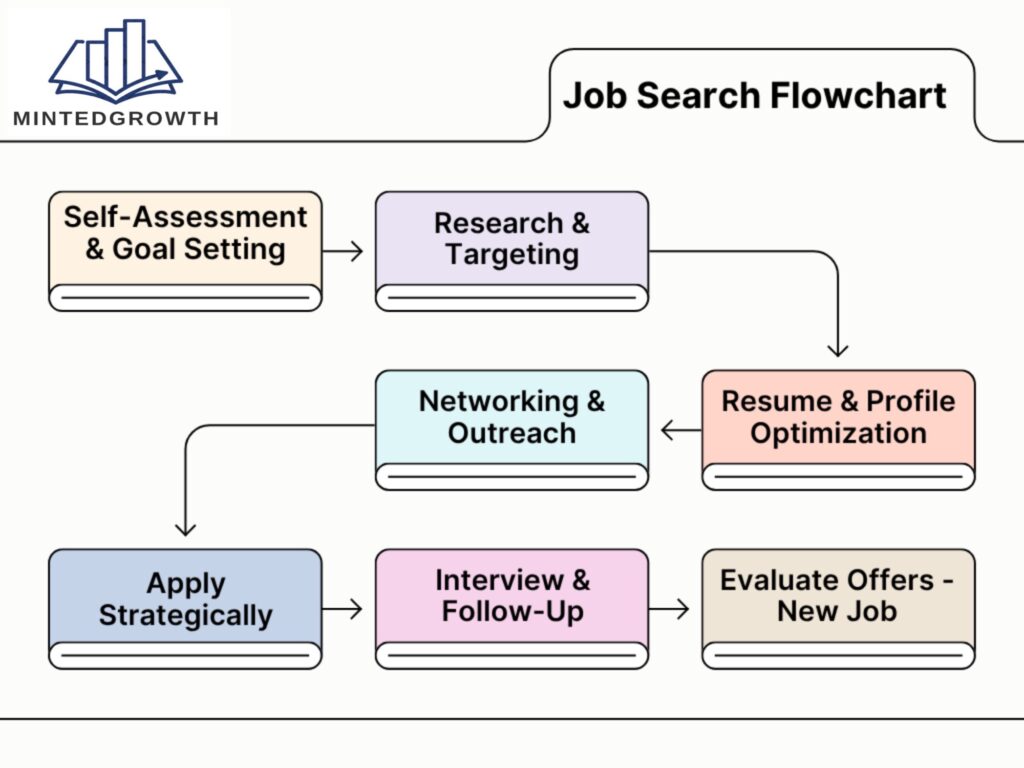
Every effective job search follows a structure, whether you realize it or not. These five phases help you stay organized and reduce frustration:
Preparation: Define what you want — job type, salary range, and culture. Use tools like Glassdoor to research companies before applying. Optimization: Update your résumé and LinkedIn profile for keywords and relevance. Outreach: Start networking. Reach out to people in your desired roles and ask for informational interviews. Application: Apply to targeted roles only, not everything you see. Prioritize quality over quantity. Follow-up and Refinement: Track results, ask for feedback, and improve continuously.
By viewing your job hunt as a step-by-step project rather than an endless loop, you’ll feel more control and confidence in the process.
These phases are among the most practical Job Search Tips because they shift your mindset from reactive to strategic and that’s where real results begin.
5. What is the hardest generation to work with, and why does this matter in job searches?
Many studies including research from Pew Research Center suggest that the biggest workplace tension isn’t about generations “not getting along,” but about communication styles.
For instance, Gen Z and Millennials tend to prefer fast, digital-first communication (like Slack or text), while Gen X and Boomers often value face-to-face or email communication. When these preferences clash, misunderstandings happen and that can affect how you interview or integrate into new teams.
So, what does that mean for your job search? Simple: show adaptability. In interviews, emphasize your ability to work well across age groups, learn from experienced mentors, and communicate clearly in any format.
Hiring managers love candidates who can bridge generational gaps, it signals emotional intelligence and team chemistry.
6. What is the most common reason people fail to land interviews?
Here’s the truth most people don’t like hearing: the biggest reason candidates don’t land interviews isn’t lack of talent, it’s lack of alignment.
Recruiters spend seconds deciding if your résumé fits their needs — and often, they don’t see the connection between your experience and their role because you didn’t make it clear.
To fix that:
Tailor your résumé to each role using relevant keywords. Write a short, specific cover letter that connects your past wins to their job description. Update your LinkedIn “About” section to reflect your current career goals, not your last job.
Also, don’t underestimate timing. Many companies close applications after reaching a threshold, so applying within the first 48 hours of a posting on LinkedIn or Indeed drastically improves your chances.
Job Search Tips for a Tight Market: Apply Smarter, Not Harder – Summary
Finding a job in a tight market takes more than effort, it takes strategy, timing, and awareness. The best job search tips focus on being intentional with every move you make, from how you design your résumé to how you connect with recruiters and peers. Success today isn’t about how many jobs you apply to, it’s about how well you present your skills and align them with what companies are truly looking for. Throughout this Article, you’ve learned that the foundation of a smart job search begins with preparation and clarity. It’s about crafting a résumé that captures attention in seconds, networking before you need to, and showing confidence that reflects real value. Whether you’re new to the market, transitioning careers, or reentering after a break, the goal is to make your efforts consistent and strategic.
Technology now plays a massive role in how employers find candidates, and that means you must treat your digital presence like your portfolio. Keeping your LinkedIn profile active, joining online communities, and building professional relationships are as important as the applications themselves. Even small steps, like tailoring a cover letter or following up after an interview, build momentum toward your next opportunity.
The market will always shift, but a prepared job seeker can adapt faster. When you combine persistence with planning, use verified platforms, and stay open to learning, you position yourself for lasting success. These job search tips aren’t just for finding work now, they’re a framework you can rely on for every stage of your career.
Looking for flexible work options?
Recommended reading
- 25 No-Interview Remote Jobs That Pay Weekly
- 9 Legit Online Jobs That Pay Weekly (No Experience Needed)
- 15 Best Remote Jobs With No Experience